

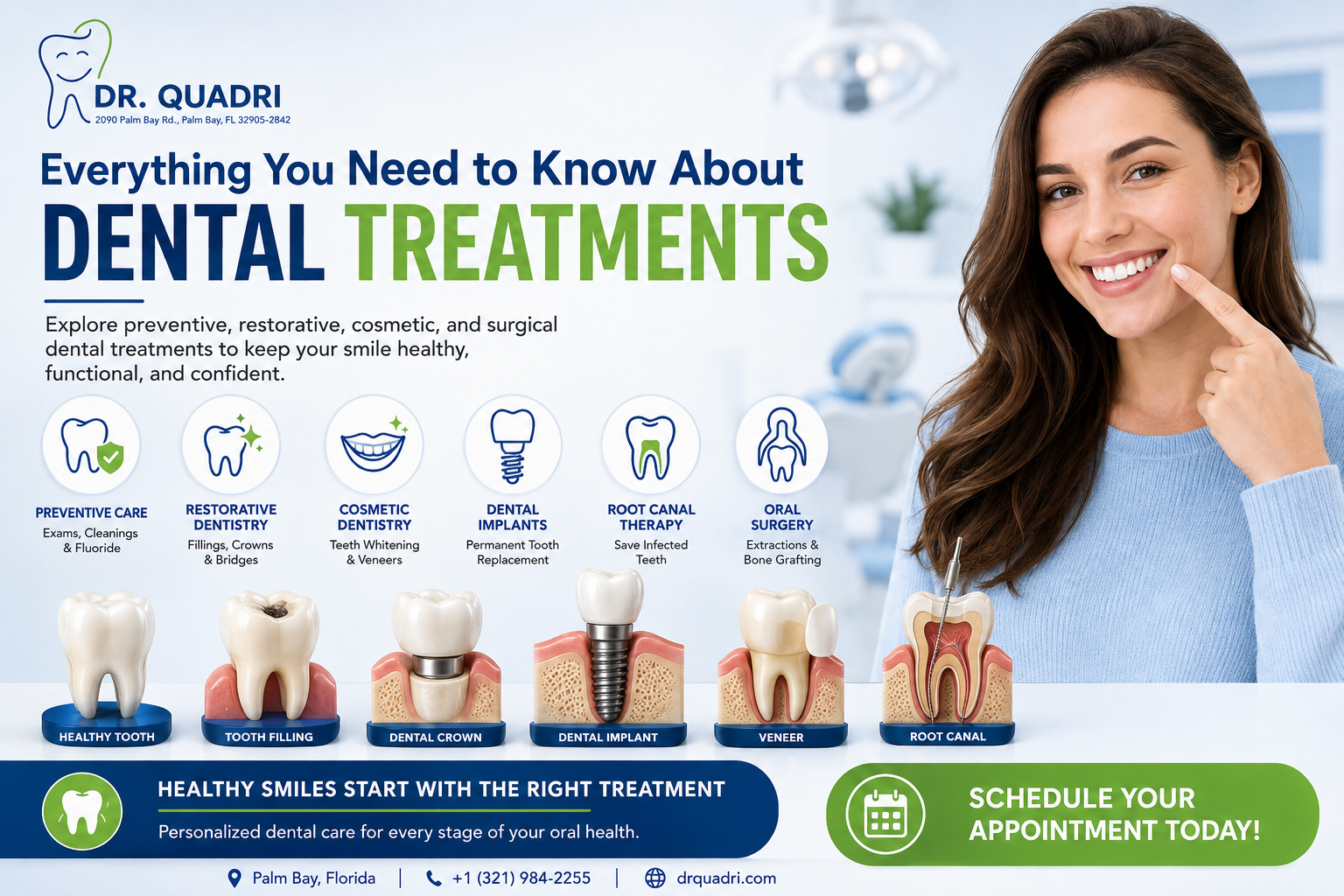
Your smile is one of your most valuable assets, playing a critical role in your confidence, general health, and daily well-being. However, dental issues ranging from minor cavities to missing teeth can arise unexpectedly. Navigating modern dental treatment options can feel overwhelming with all the technical jargon.
Whether you are dealing with a severe toothache or looking into tooth replacement options, this comprehensive guide breaks down essential procedures, including dental implant treatment, root cavity treatment, tooth extraction treatment, and more, to help you make informed decisions about your oral health.
At Dr. Quadri’s Palm Bay Dental Center, patients can receive personalized dental care based on their individual needs. With more than 25 years of clinical experience, Dr. Quadri is dedicated to helping patients maintain healthy, functional, and confident smiles.
What Is Dental Treatment?
Dental treatment refers to a wide range of procedures used to prevent, diagnose, manage, or restore problems affecting the teeth, gums, and other parts of the mouth. Some treatments are preventive, while others are designed to repair damage, replace missing teeth, or address infections and other dental concerns.
Your dentist may recommend a specific treatment after examining your teeth and gums and reviewing your symptoms. Depending on your condition, your treatment plan may include:
- Preventive dental care and regular cleanings
- Dental fillings for cavities
- Root canal treatment for infected teeth
- Dental crowns for damaged or weakened teeth
- Tooth extraction for severely damaged or problematic teeth
- Dental implants for replacing missing teeth
- Dentures for replacing several or all missing teeth
- Dental surgery for certain complex oral health conditions
Early diagnosis and treatment can often prevent dental problems from becoming more complicated. If you experience tooth pain, swelling, sensitivity, bleeding, or changes in your bite, scheduling a dental examination can help identify the cause.
Types of Dental Treatments: A Complete Guide
1. Dental Surgery: When Is It Needed?
Dental surgery includes procedures performed to address certain conditions that cannot always be managed with routine dental treatments. The type of surgery recommended depends on the patient’s specific oral health needs.
A dentist may recommend dental surgery for situations such as:
- Severely damaged or impacted teeth
- Complex tooth extractions
- Certain gum conditions
- Advanced infections
- Bone-related dental concerns
- Preparation for dental implants
- Other complex oral health conditions
Before recommending surgery, your dentist will evaluate your condition and explain the procedure, expected recovery, and aftercare instructions. The goal is to provide appropriate treatment while supporting your long-term oral health.
Following your dentist’s post-operative instructions is an important part of the healing process. Depending on the procedure, you may need to follow dietary recommendations, maintain careful oral hygiene, and attend follow-up appointments.
2. Dental Implant Treatment: Replacing Missing Teeth
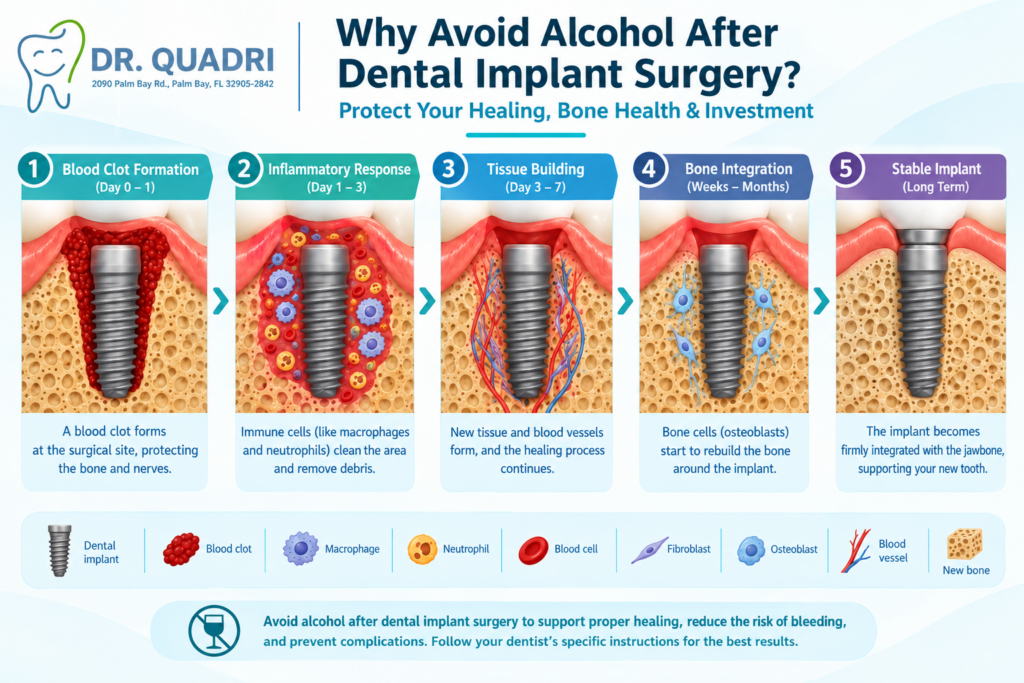
Dental implant treatment is a popular option for replacing missing teeth. Unlike traditional removable dentures, dental implants are designed to provide a stable foundation for a replacement tooth.
A dental implant typically consists of three main components:
- Implant post – A small post placed in the jawbone to act as an artificial tooth root.
- Abutment – A connector that attaches the implant post to the replacement tooth.
- Dental crown – The visible portion that is designed to resemble a natural tooth.
Dental implants may be considered for patients who have lost one or more teeth due to decay, injury, gum disease, or other causes. However, not every patient is automatically a candidate for implants. Your dentist will evaluate your oral health, jawbone condition, and other factors before recommending treatment.
The dental implant process may take place over several appointments. Healing time is required after implant placement before the final restoration can be attached. Your dentist will explain the expected timeline based on your individual treatment plan.
One of the main advantages of dental implants is that they can provide a secure and natural-looking solution for tooth replacement. They can also help restore chewing function and support a more complete smile.
3. Tooth Extraction Treatment: When a Tooth Needs to Be Removed
Tooth extraction treatment involves removing a tooth from its socket in the jawbone. Dentists generally recommend extraction only when a tooth cannot be effectively restored or when removing it is necessary to protect your oral health.
Common reasons for tooth extraction may include:
- Severe tooth decay
- Significant tooth damage
- Advanced infection
- Impacted wisdom teeth
- Severe gum disease affecting a tooth
- Crowded teeth in certain treatment situations
Before extraction, your dentist will examine the affected tooth and determine whether another treatment, such as a filling, crown, or root canal, could preserve it.
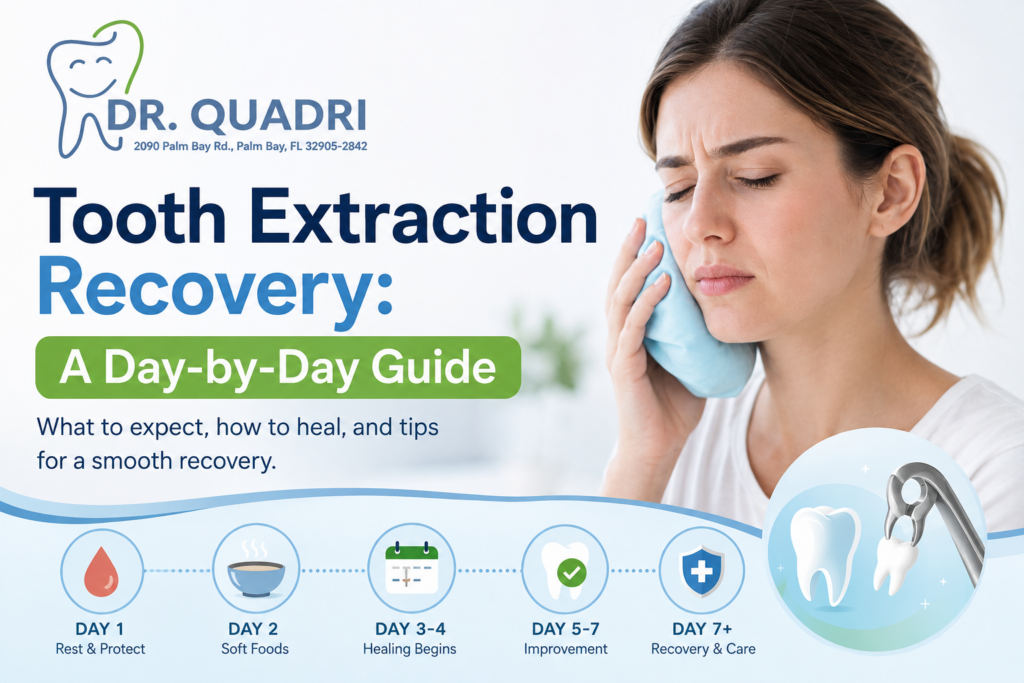
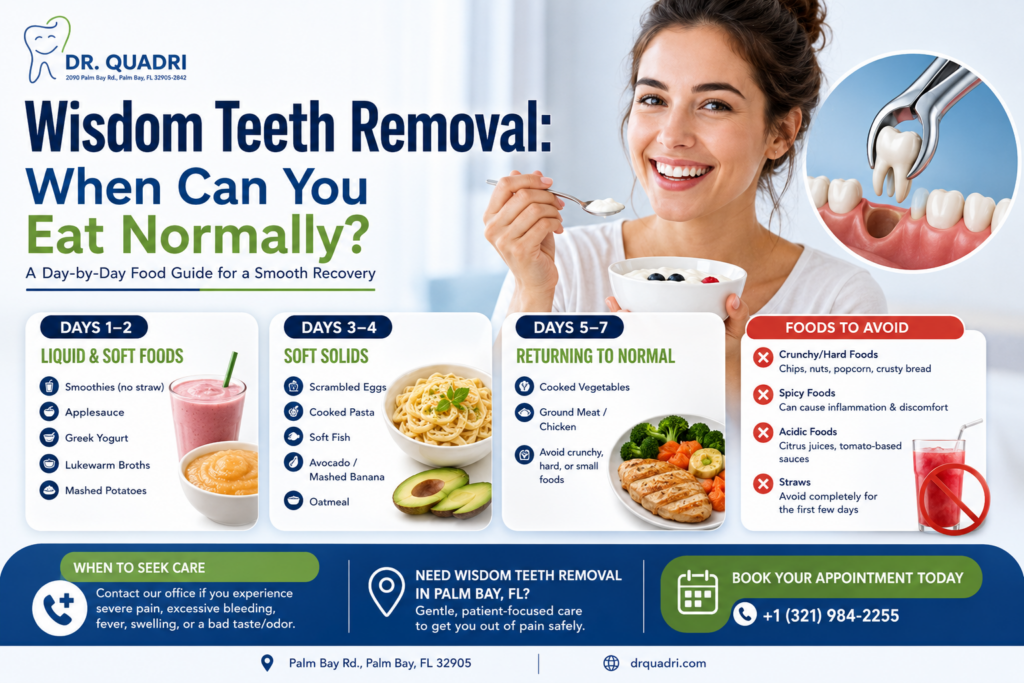
After an extraction, following your dentist’s instructions can help support proper healing. You may be advised to avoid certain foods, maintain gentle oral hygiene, and avoid activities that could disturb the healing area.
If a tooth is removed, your dentist may also discuss replacement options. Depending on your situation, these may include a dental implant, bridge, or denture.
4. Dental Crowns: Restoring Damaged or Weak Teeth
A dental crown is a custom-made restoration that covers and protects a damaged or weakened tooth. Crowns can restore the shape, strength, and appearance of a tooth while helping it function more normally.
A dentist may recommend a crown when a tooth has:
- Extensive decay
- A large filling
- Significant damage or cracks
- Been treated with a root canal
- Aesthetic concerns that may benefit from restoration
The process generally begins with an examination and preparation of the affected tooth. Your dentist will take impressions or digital scans to help create a restoration that fits properly.
Once the crown is ready, it is placed over the prepared tooth and secured in position. A properly fitted crown can help protect the remaining tooth structure and restore its function.
If you have searched for terms such as “crown gall treatment,” it is important to note that crown gall is generally associated with a plant disease and is not a standard dental treatment term. For dental concerns involving crowns, terms such as dental crown treatment or tooth crown restoration are more appropriate.
5. Root Canal Treatment: What Is Root Treatment?
If you are wondering, “What is root treatment?” you may be referring to root canal treatment.
Root canal treatment is a dental procedure used to treat infection or inflammation inside a tooth. The inside of a tooth contains soft tissue known as the dental pulp, which contains nerves and blood vessels. When this area becomes infected or severely inflamed, treatment may be necessary to save the tooth.
Common reasons a dentist may recommend root canal treatment include:
- Deep tooth decay
- A cracked or damaged tooth
- Repeated dental procedures on the same tooth
- Trauma or injury
- Infection inside the tooth
During root canal treatment, the dentist removes the infected or damaged pulp, cleans and disinfects the inside of the tooth, and seals the area. A dental crown may be recommended afterward to protect the restored tooth, depending on its condition.
Symptoms that may indicate the need for evaluation can include:
- Persistent toothache
- Sensitivity to hot or cold
- Pain when biting or chewing
- Swelling around the tooth
- Darkening or discoloration of the tooth
Not every toothache requires a root canal. A professional dental examination is necessary to determine the cause of your symptoms and identify the appropriate treatment.
6. Dentures: Replacing Multiple Missing Teeth
Dentures are removable dental appliances designed to replace missing teeth. Depending on the patient’s needs, dentures may replace several teeth or an entire arch of teeth.
Common types include:
- Complete dentures: Used when all natural teeth in an arch are missing.
- Partial dentures: Used when some natural teeth remain.
- Implant-supported dentures: Supported by dental implants for increased stability in appropriate cases.
Missing teeth can affect more than just your appearance. They may make chewing difficult and can affect how you speak. Replacing missing teeth may help restore oral function and improve confidence.
Your dentist will evaluate your oral health and discuss the type of denture that may be most appropriate for you. Proper fit is important for comfort, function, and overall satisfaction.
If you are searching online for “denture teeth treatment,” the appropriate treatment depends on the number of missing teeth, the health of your remaining teeth and gums, and your personal needs.
How Do You Know Which Dental Treatment You Need?
Choosing the right dental treatment requires a professional evaluation. The same symptom can have different causes, which means treatment recommendations can vary from one patient to another.
For example, tooth pain may be caused by:
- Tooth decay
- A cracked tooth
- An infection
- Gum disease
- Tooth sensitivity
- An impacted tooth
A dental examination may include a visual evaluation, dental X-rays, and other diagnostic procedures when needed. Your dentist can then explain your treatment options and help you understand the benefits and considerations of each approach.
The right treatment may depend on factors such as:
- Your current oral health
- The severity of the dental problem
- The condition of your teeth and gums
- The number of missing or damaged teeth
- Your jawbone health
- Your overall health
- Your personal goals and preferences
What Happens During a Dental Treatment Consultation?
Your first appointment typically begins with a discussion about your dental concerns and medical history. Your dentist will examine your mouth and may recommend diagnostic imaging to better understand your condition.
During your consultation, you can ask questions about:
- What is causing your dental problem?
- What treatment options are available?
- Is the treatment necessary immediately?
- How long will treatment take?
- What can I expect during recovery?
- Are there alternatives to the recommended treatment?
- How should I care for my teeth after treatment?
Understanding your options can help you feel more confident about your dental care decisions.
How Can You Maintain Your Oral Health After Dental Treatment?
Taking care of your teeth after treatment is essential for maintaining your results and supporting long-term oral health.
Good habits include:
- Brush your teeth twice a day with fluoride toothpaste.
- Clean between your teeth regularly.
- Visit your dentist for routine examinations and cleanings.
- Follow all post-treatment instructions.
- Avoid using your teeth to open packages or bite hard objects.
- Limit sugary foods and drinks.
- Contact your dentist if you experience unusual pain, swelling, or other concerning symptoms.
Even after successful dental treatment, regular preventive care remains important. Maintaining good oral hygiene can help reduce the risk of future dental problems.
When Should You See a Dentist?
You should consider scheduling a dental appointment if you experience symptoms such as:
- Persistent tooth pain
- Swollen gums or facial swelling
- A broken or cracked tooth
- Severe tooth sensitivity
- Bleeding gums
- A loose or missing tooth
- Difficulty chewing
- Signs of a dental infection
Some dental problems can become more difficult to treat if they are ignored. If you are experiencing severe pain, significant swelling, uncontrolled bleeding, or other urgent symptoms, seek prompt professional dental care.
Taking Care of Your Smile
Understanding your options for dental treatment, from a simple root cavity treatment to a permanent dental implant treatment, puts you in control of your dental health. Neglected dental issues rarely resolve on their own and often grow into more expensive, complex procedures over time.
If you are experiencing tooth pain, looking to replace missing teeth, or due for a routine checkup, consult with a qualified dental professional today to map out a personalized treatment plan for a healthier, brighter smile!
At Dr. Quadri’s Palm Bay Dental Center, we are committed to providing personalized dental care designed around your individual needs. With more than 25 years of clinical experience, Dr. Quadri and the dental team can help you understand your treatment options and take the next step toward a healthier, more confident smile.
If you are experiencing tooth pain, have a damaged or missing tooth, or want to learn more about your dental treatment options, contact Dr. Quadri’s Palm Bay Dental Center to schedule an appointment.
Your smile deserves personalized care. Schedule your dental appointment today and take the next step toward better oral health.
People Also Ask:
Dental treatments include preventive care, dental fillings, root canal treatment, dental crowns, tooth extractions, dental implants, dentures, and dental surgery. The right treatment depends on your oral health condition, symptoms, and your dentist’s evaluation.
All-on-4 is a full-arch tooth replacement procedure that uses four strategically placed dental implants to support a complete set of replacement teeth. It is often recommended for patients who have lost most or all of their teeth and want a stable alternative to traditional dentures.
Pain levels vary from person to person, but many people assume root canals or tooth extractions are the most painful. In reality, modern dentistry uses local anesthesia and advanced techniques to minimize discomfort during treatment. Your dentist will also provide instructions and, if needed, medication to help manage any soreness afterward.
Treatment options depend on the cause of the problem. Common solutions include fillings for cavities, crowns for damaged teeth, root canal treatment for infected teeth, tooth extractions for severely damaged teeth, dental implants for missing teeth, dentures, and dental surgery for more complex conditions. A dental examination is necessary to determine the best treatment.
Treatment options depend on the cause of the problem. Common solutions include fillings for cavities, crowns for damaged teeth, root canal treatment for infected teeth, tooth extractions for severely damaged teeth, dental implants for missing teeth, dentures, and dental surgery for more complex conditions. A dental examination is necessary to determine the best treatment.
Root canal treatment is considered a safe and well-established procedure when performed by a qualified dentist. Whether another treatment is more appropriate depends on your specific dental condition. Your dentist will recommend the safest and most effective option based on a thorough evaluation of your oral health.
Routine dental cleanings and preventive checkups are among the most common dental treatments because they help maintain oral health and prevent future problems. Other popular treatments include fillings, crowns, dental implants, and root canals, depending on each patient’s needs.